Amateur Astronomy Nights: Equipment & Locations
Discover the best spots across Ireland for stargazing and learn which equipment you’ll actually need to get started
Why Amateur Astronomy Matters
There’s something genuinely special about stepping outside on a clear night and actually seeing what’s up there. We’re not talking about needing a PhD or spending thousands on gear. What we’re really talking about is finding your local group, understanding a few basics about equipment, and knowing where the sky’s actually dark enough to see something worth seeing.
Most people who get into this discover it’s way less intimidating than they expected. You don’t need a fancy telescope to start — honestly, your eyes work fine for the first few weeks. But once you do want to look deeper into space, knowing what equipment makes sense and where the best locations are in Ireland changes everything about the experience.
Essential Equipment for Beginners
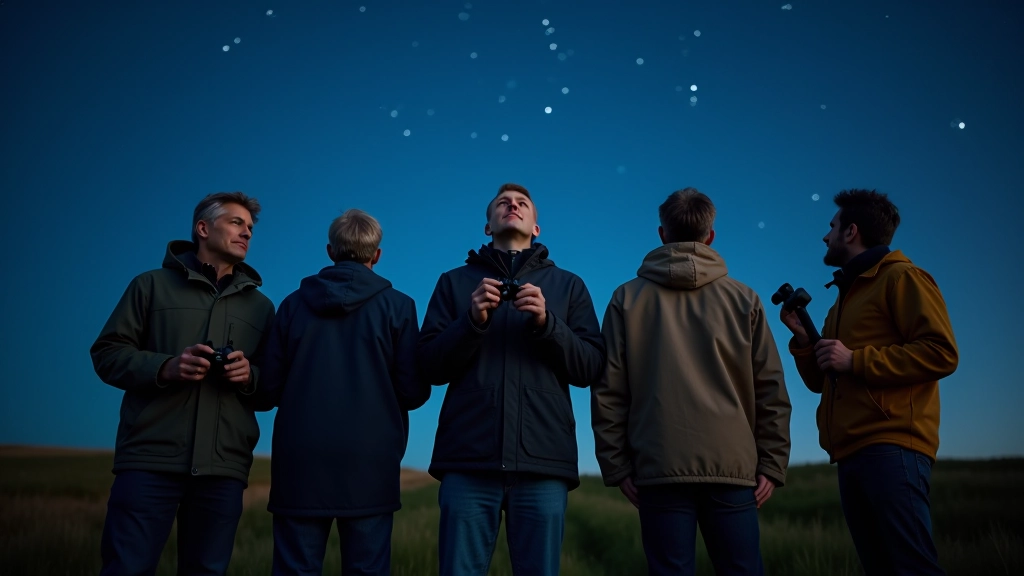
Start simple. That’s the honest advice from anyone who’s been doing this for years. Your naked eye can actually see the Moon in detail, Jupiter’s moons with decent binoculars, and the Milky Way stretching across the sky on a good night. You don’t need to rush into buying a telescope.
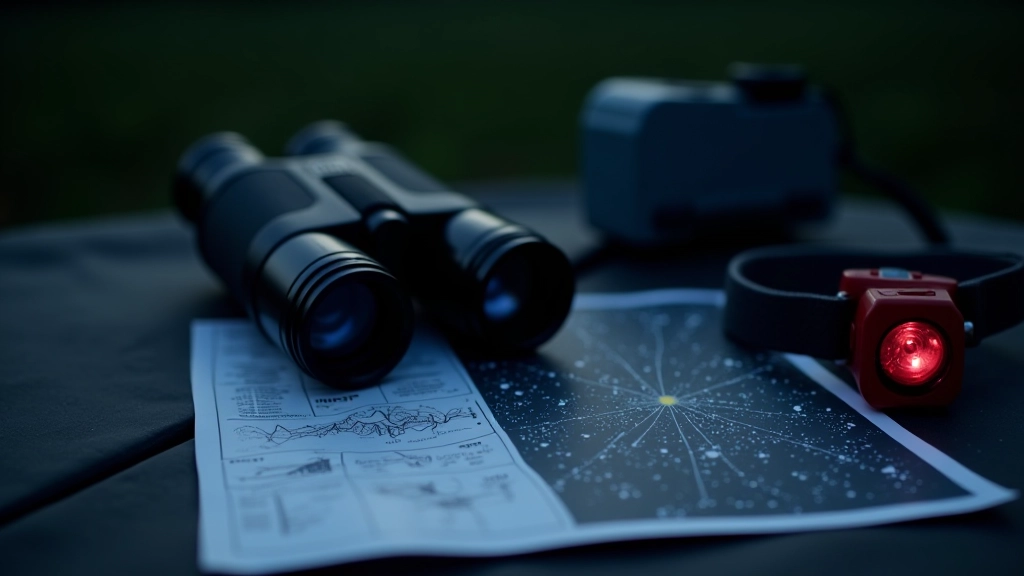
When you’re ready to upgrade, 7×50 binoculars cost between 40-80 and they’re genuinely brilliant for star clusters and nebulae. A basic 6-inch Dobsonian telescope (around 200-300) gives you access to Saturn’s rings, lunar craters, and hundreds of deep-sky objects. The tripod matters more than people think — wobbly equipment is frustrating equipment. A decent mount keeps everything stable and actually makes the whole experience enjoyable rather than a workout in holding things still.
Plus, a red headlamp is actually essential. It preserves your night vision so you can move around safely and see what you’re doing without blinding yourself.
The Best Stargazing Locations in Ireland
Light pollution is your enemy. Dublin, Cork, and Limerick are lovely cities but terrible for astronomy because the sky glows orange all night. You need to get out to the countryside — at least 30km from major towns, ideally further.
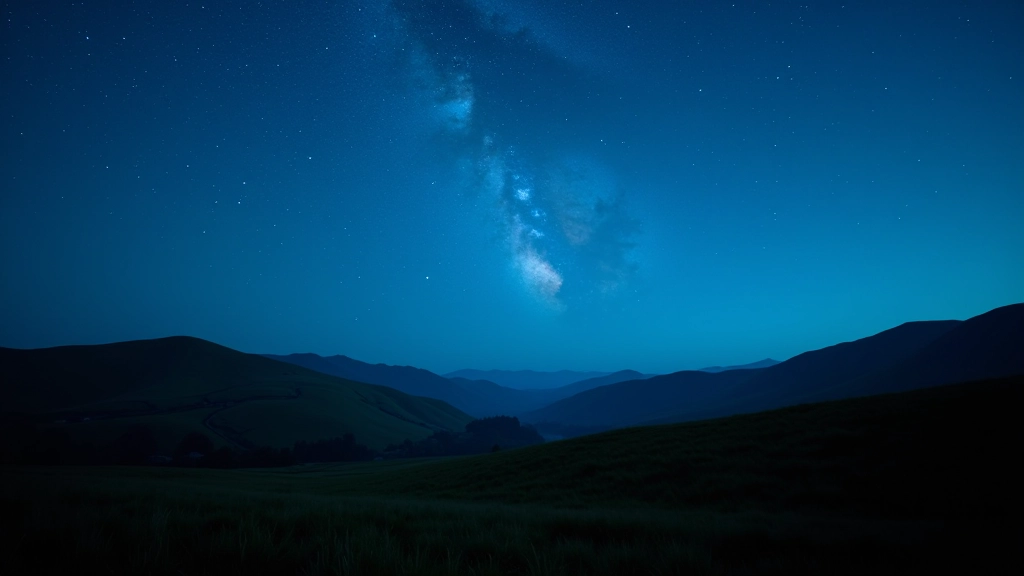
The west coast wins for dark skies. County Mayo around Croagh Patrick, parts of County Galway, and the area around Achill Island offer genuinely dark skies. Wicklow Mountains are accessible from Dublin (only 45 minutes south) and significantly darker than the city. The Burren in County Clare has excellent conditions and there’s an actual astronomy club that meets there regularly.
Here’s a practical tip: check light pollution maps online before you go. The Sky & Telescope dark sky finder shows you exactly where the darkest skies are. A Bortle 4 or 5 location (rural, minimal light) is the sweet spot — you’ll see the Milky Way clearly and hundreds of deep-sky objects. Don’t expect to find Bortle 1 (truly pristine) in Ireland, but you can definitely find skies dark enough to make it worthwhile.
Finding Your Local Astronomy Community
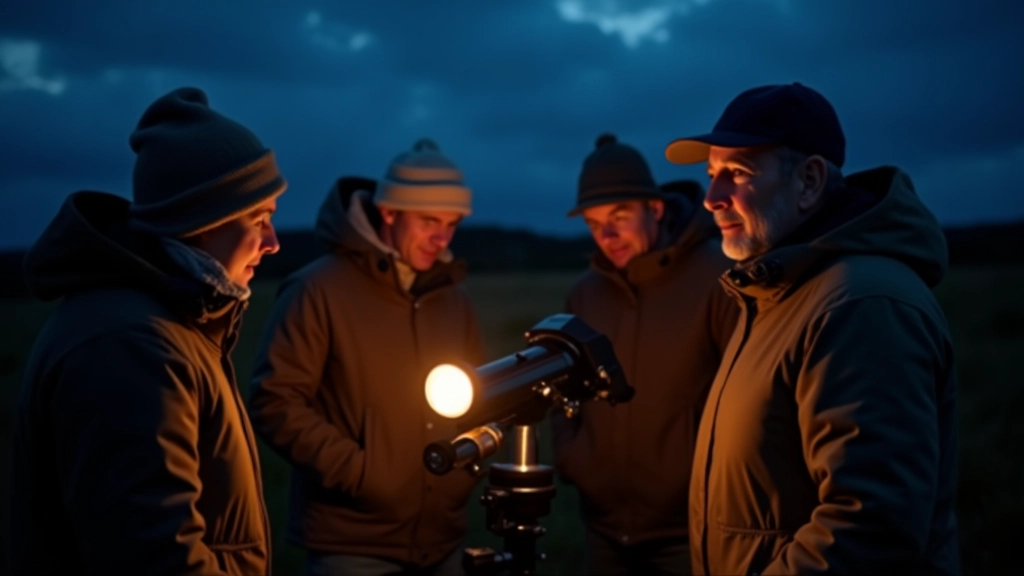
You’re not doing this alone. Ireland’s got active astronomy clubs in nearly every county. Dublin Astronomy Club, Cork Astronomy Club, and the Irish Astronomical Society are the big ones, but smaller towns have groups too. These people are genuinely welcoming and they love showing newcomers around the sky.
What’s brilliant about joining a group is you get to try different equipment before spending money. Someone’ll have a big Dobsonian telescope, someone else will have fancy binoculars, and you’ll get a real feel for what works for you. Plus they organize trips to dark sky sites — you’re not navigating back roads in the dark trying to find a good spot on your own. The groups meet monthly or more, usually at planned locations where everyone brings their gear.
Most clubs have beginners’ nights specifically for people just starting out. It’s not pretentious or technical — it’s people who genuinely enjoy looking up at the stars and want others to experience the same thing.
Planning Your First Astronomy Night
Check the Moon Phase
New Moon nights are best. A bright Moon washes out fainter objects. Plan around Moon phases using any astronomy app — they’re free and accurate.
Find Your Location
Use light pollution maps. Drive out to a few spots beforehand during the day so you know the road conditions and parking situation. Arriving in darkness with unfamiliar terrain isn’t fun.
Bring the Right Gear
Red headlamp, binoculars, a star chart or phone app, warm clothes (it gets cold at night even in summer), and a folding chair. You’ll be looking up for hours.
Give Your Eyes Time
It takes 20-30 minutes for your eyes to fully adjust to darkness. That’s why the red headlamp matters — it doesn’t ruin your night vision like white light does. Be patient at the beginning.
Start Looking Up
Astronomy doesn’t require expensive equipment or years of study. It requires a clear night, decent darkness, and genuine curiosity about what’s up there. Ireland’s got the darkness you need — we’re far enough from the equator to get great visibility, and once you’re away from the cities, the sky opens up completely.
Your first step? Find a local club. Go to one of their meetings. Borrow someone’s binoculars. Look at the Moon. See Saturn. Then decide if you want to invest in your own equipment. You’ll meet people who’ve been doing this for decades and people who started last month. Everyone remembers that first time seeing something through a telescope — something they couldn’t see any other way.
The universe is there whether you look or not. But once you start looking, it’s hard to stop.
About This Guide
This article is informational and educational in nature. Recommendations are based on general astronomy practices and Irish conditions. Equipment specifications, prices, and availability may change. Always check current club websites, light pollution maps, and weather conditions before planning an astronomy session. Safety at outdoor locations at night is your responsibility — ensure proper lighting, inform others of your plans, and follow local guidelines for any dark sky sites you visit.
Related Articles