Essential Birdwatching Skills for Beginners
Master the fundamentals of bird identification, proper binocular technique, and field journaling to start your birdwatching journey across Ireland’s stunning wetlands and countryside.
Why Birdwatching Matters
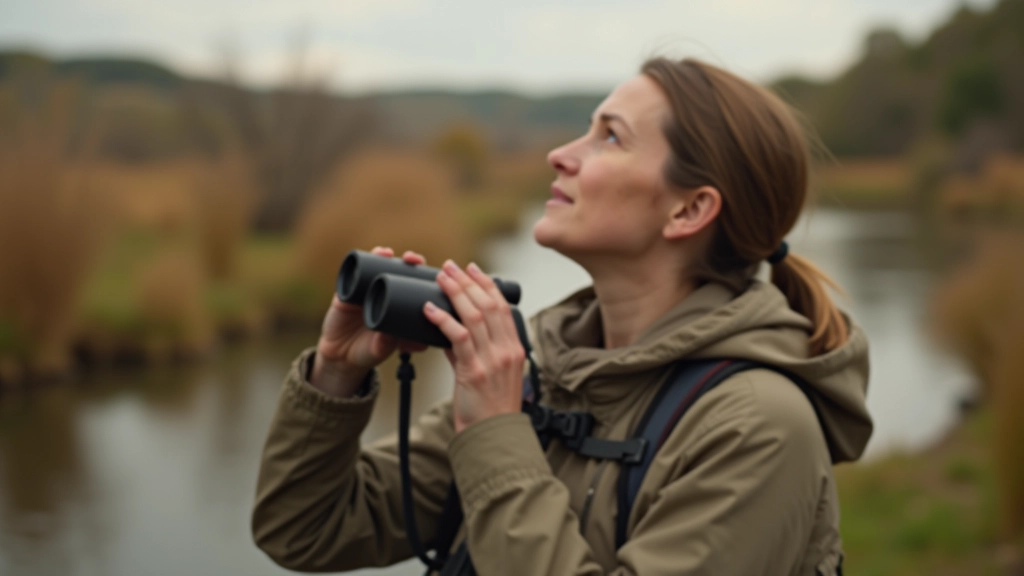
There’s something magical about spotting a rare species for the first time. You’re not just observing birds—you’re connecting with nature in a way that few other hobbies allow. Whether you’re wandering through coastal marshes, woodland edges, or quiet lake shores across Ireland, birdwatching gives you a reason to be outside, to slow down, and to truly pay attention to your surroundings.
The good news? You don’t need years of experience or expensive equipment to get started. You’ll need patience, a decent pair of binoculars, and a willingness to learn. In this guide, we’ll cover the essential skills every beginner needs—from holding binoculars correctly to keeping field notes that actually help you improve. Most people pick up these techniques in just a few weeks of practice.
Mastering Your Binoculars
Your binoculars are your window into the bird world. Most beginners hold them wrong, which means they’re seeing a dark, blurry mess instead of sharp, clear birds. Let’s fix that.
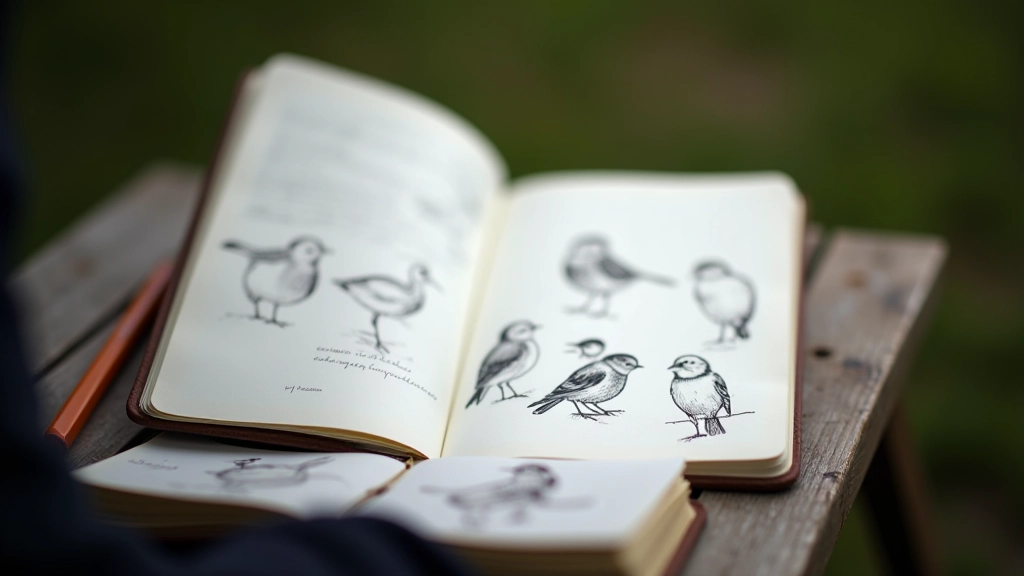
First, adjust the eyepieces to match your eyes. You’ll notice a small wheel in the middle—that’s your focus wheel. Look through with both eyes slightly apart, then slowly bring them together until the image snaps into focus. Once that’s done, you’re ready.
Hold them steady. Tuck your elbows against your body, rest the binoculars on your chest, and lift them smoothly to your eyes. Shaky hands create blurry images. If you’re standing for long periods, try bracing yourself against a tree or fence post. For 8×42 magnification (a solid beginner choice), you’ll notice birds appear 8 times closer than they really are. That’s plenty for spotting detail.
Pro tip: Spend 10 minutes practicing focus and steadiness before you even head out. Your hands will thank you, and you’ll catch birds you’d normally miss.
Learning Bird Identification
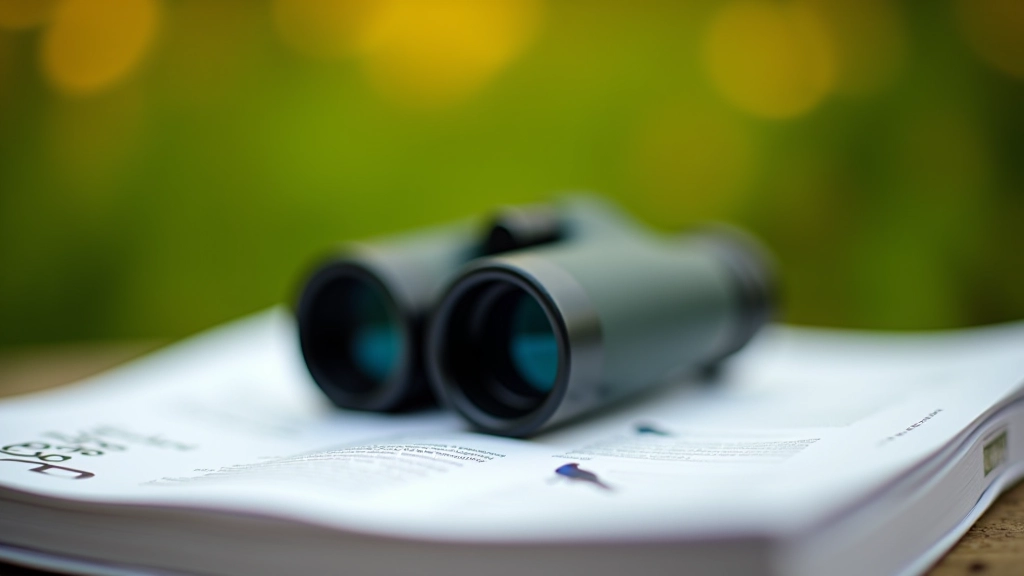
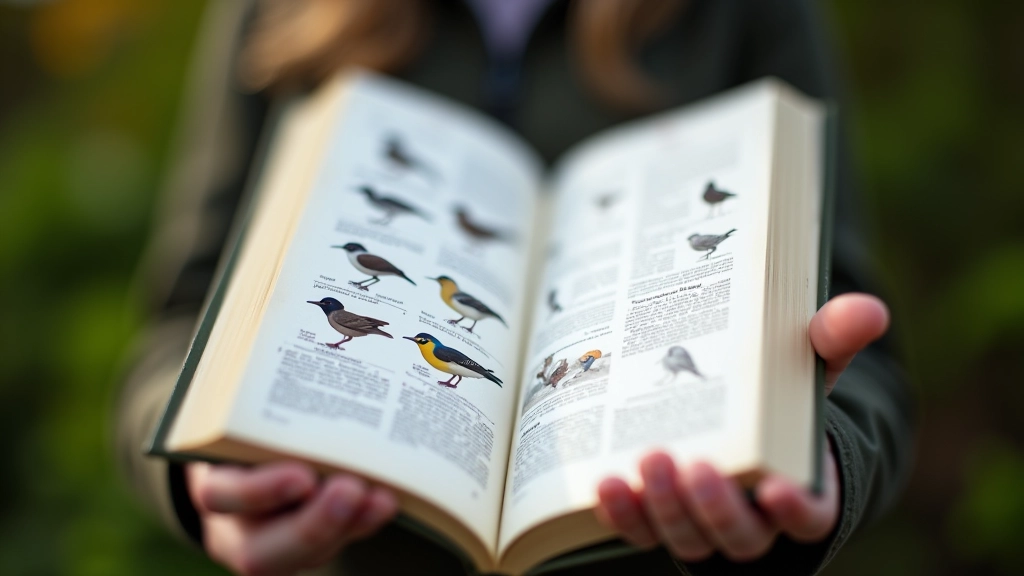
Identifying birds doesn’t mean memorizing every species in Ireland. It means learning to look for specific field marks—the distinctive features that separate one bird from another. You’re looking at size, shape, color patterns, and behavior.
Start with common birds. In Ireland, you’ll regularly see robins, blackbirds, blue tits, and wrens. Learn these five birds really well before moving on. Notice the robin’s orange breast, the blackbird’s all-black plumage with yellow ring around the eye, the blue tit’s white face with dark stripe. These become your reference points.
Don’t try to identify everything. If you see a bird you can’t place, write down what you actually saw—size compared to a robin, color pattern, behavior—and look it up later. You’ll learn faster this way than trying to nail every ID on the spot. Most experienced birders spend 5-10 minutes describing a single unknown bird in their journal.
Building Your Field Journal Practice
Your field journal is where birdwatching becomes a real skill. It’s not about making perfect notes or beautiful sketches—it’s about recording what you actually see and training your eye to notice details.
Date and Location
Always note the date, time, and exact location. Peat bogs, lakeshores, and farmland attract different species. Over time, you’ll spot patterns—certain birds appear at certain times in certain places.
What You Saw
Write down the bird’s size, color, any distinctive marks. Is the tail long or short? Does it have a crest? What about the wing pattern? These details help you identify birds later and build your reference library.
Behavior Notes
How was the bird acting? Was it feeding, singing, flying? Did it stay in one spot or move constantly? Behavior is often the quickest way to identify birds. A robin’s habit of hopping on the ground is as identifying as its orange breast.
Your Sketches
Don’t worry about being an artist. Simple sketches showing field marks—the stripe on the head, the pattern on the wing—help your brain remember. Even rough pencil drawings work better than words alone.
Practical Field Techniques That Work
Once you’ve got your basics down, these techniques will improve your success dramatically. Move slowly. Birds notice sudden movements. You’re looking for motion before you’re looking for the bird itself. Scan at eye level first—most birds don’t fly at your feet or hover at treetop height.
Listen. Half of birdwatching is done with your ears. You’ll hear a bird singing or calling before you ever see it. Spend time learning common calls—the robin’s cheerful song, the wren’s loud, insistent burst. Apps exist that play recordings of Irish bird sounds. Use them.
Visit the same spots repeatedly. Different locations attract different species, and you’ll become familiar with the resident birds. A quiet walk through the same local park twice a week will teach you more than random trips to random places. You’ll start recognizing individual birds, their patterns, their territories.
Wake early. Early morning, especially spring and early summer, offers the best birdwatching. Birds are more active, more vocal, and easier to spot. Even a 6 AM walk beats a midday outing by hours.
Essential Equipment for Getting Started
You don’t need much to begin. Good binoculars matter most. A field guide matters second. Everything else is optional but useful.
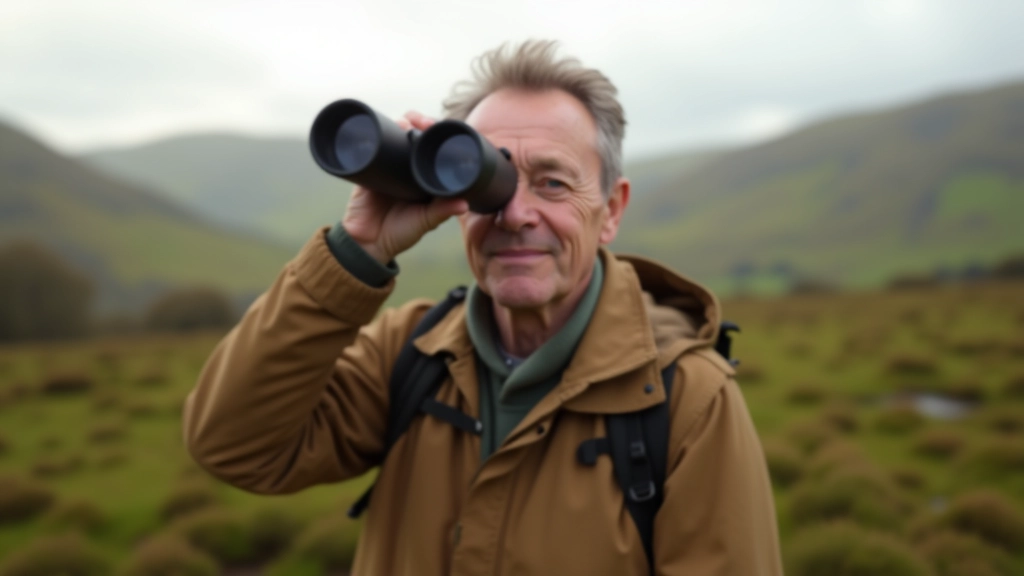
Binoculars (8×42 or 10×42)
8x magnification, 42mm objective lens. This is the sweet spot for beginners. They’re light enough to hold steady, powerful enough to see detail, and reasonably priced. Expect to spend 100-300 for a decent pair.
Field Guide
Get one specific to Irish birds. Collins Bird Guide or the RSPB Handbook of British Birds are standard choices. Physical books are better than apps for learning—your brain remembers visual layout better than scrolling.
Field Journal
Any notebook works. Hardcover is best for outdoor use. A5 size (half letter) fits in jacket pockets easily. Pre-ruled notebooks with space for sketches are nice but not necessary.
Comfortable Clothing
Layer up. Irish weather changes fast. Neutral colors (greens, browns, grays) help you blend in. Avoid bright colors that spook birds. Waterproof jacket is essential.
Start Your Birdwatching Journey Today
Birdwatching isn’t complicated. It’s about patience, attention, and showing up regularly. You’ll make mistakes—misidentify birds, miss obvious sightings, spend hours seeing nothing. That’s normal. Every experienced birder started exactly where you are now.
The real magic happens when you start recognizing patterns. When you know the robin will be on the same fence post every morning. When you hear a song and immediately know which bird it is. When you fill pages of your journal with sketches and notes and memories of mornings spent in nature.
Ireland has incredible birdwatching opportunities—coastal cliffs, inland lakes, quiet woodlands, windswept moors. Pick a location near you. Get your binoculars ready. Head out early. Watch. Listen. Learn. Your journey starts now.

Information Disclaimer
This article is provided for educational purposes to help beginners understand fundamental birdwatching concepts and techniques. Information is based on general best practices observed in Irish birdwatching communities. Individual experiences vary based on location, season, weather conditions, and personal ability. Always follow local wildlife protection laws and respect private property when birdwatching. If you’re visiting protected areas or nature reserves, check specific guidelines and regulations for that location.