Essential Birdwatching Skills for Beginners
Discover how to identify common Irish species, use binoculars properly, and keep detailed sighting records. A practical guide for nature lovers joining local birdwatching groups.
Read GuideLearn what to bring, where to find local groups, and how to prepare for your first countryside walk.
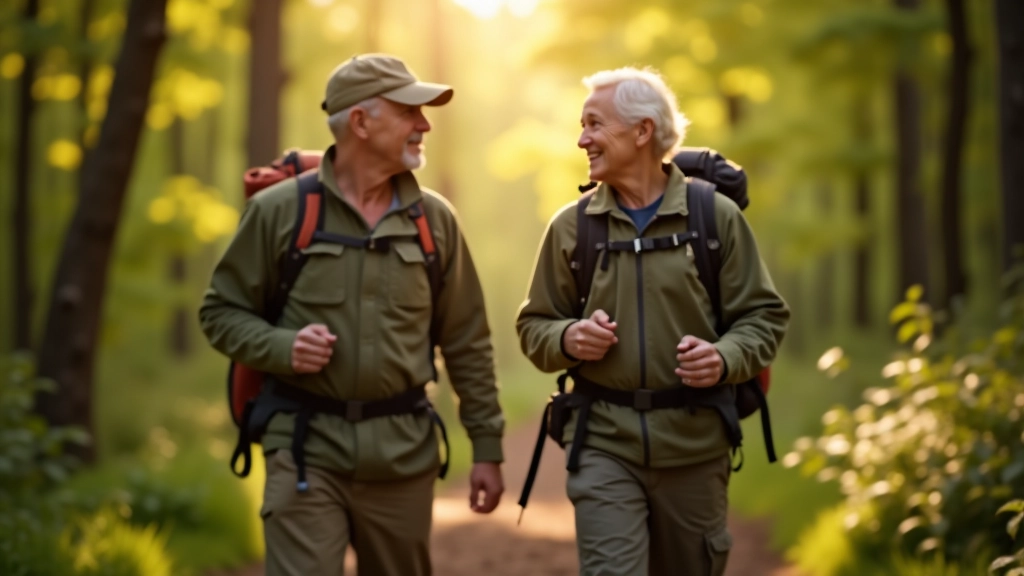
There’s something different about walking in a group. You’ll discover routes you’d never find alone, and honestly, the company makes everything better. Whether you’re returning to the outdoors after years away or just starting to explore the Irish countryside, hiking meetups remove the guesswork. You’re not figuring out distances, navigation, or whether a trail suits your fitness level — experienced locals handle all that.
Most groups welcome absolute beginners. They’re not racing to summits. They’re moving at a comfortable pace, stopping to take in views, and genuinely enjoying the people around them. Plus, you’ll build friendships with folks who share your interests. That matters more than you’d think.
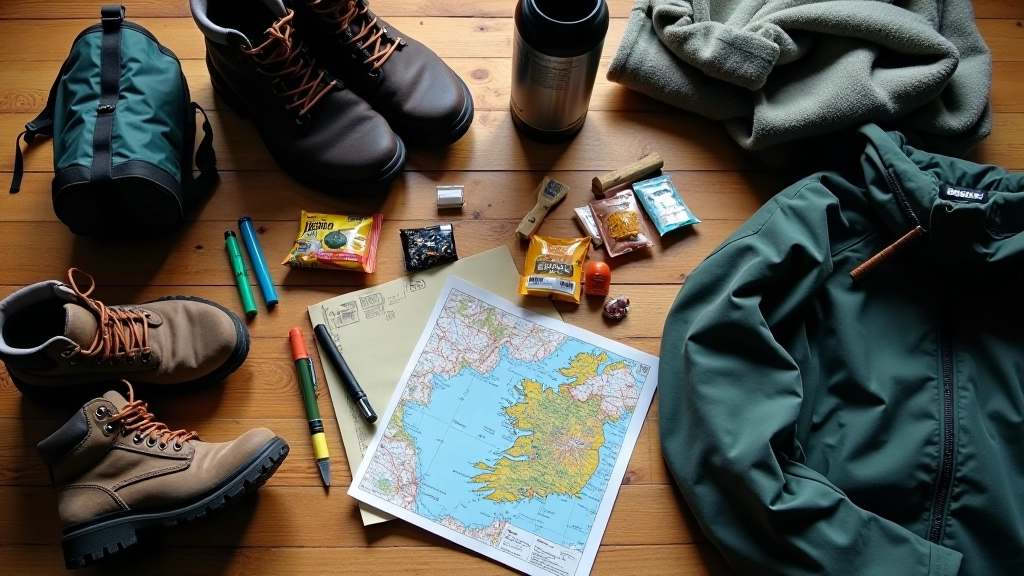
Don’t overthink this. You won’t need expensive gear to start. A good pair of walking shoes — not trainers, actual hiking boots or walking shoes with proper ankle support — makes the biggest difference. Your knees will thank you after a few hours on uneven terrain.
Layer your clothing. Irish weather changes fast. Start with a moisture-wicking base layer (merino wool works great), add a fleece or lightweight jacket, and bring a waterproof shell on top. You’ll strip layers as you warm up and add them back when you stop. A small rucksack — 15-20 litres is plenty — keeps your hands free and distributes weight properly across your shoulders.
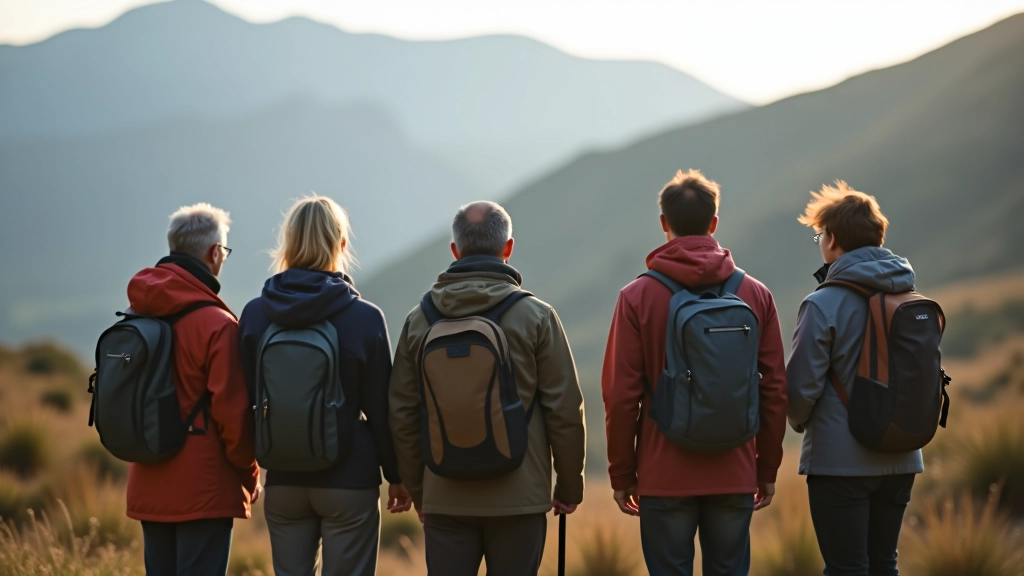
Meetup.com has become the standard. Search “hiking” plus your county or nearest city — you’ll find groups organized by difficulty and pace. Some meet weekly, others monthly. Look at recent reviews to get a sense of group size and typical walk duration. A group doing 10-12km at a moderate pace is usually a safe starting point for beginners.
Facebook groups are massive in Ireland. Search “[Your County] Hiking” or “[Your County] Outdoor Walking” — you’ll find both official groups and casual ones. Locals post upcoming walks, share photos from recent trips, and answer questions about specific trails. The energy in these groups is genuinely welcoming.
Mountain clubs like An Óige (Irish Youth Hostel Association) and regional hillwalking clubs run regular meets. These are often more structured with set routes and experienced leaders. They’re brilliant if you want to tackle steeper terrain or need someone guiding you through navigation. Many offer introductory walks specifically for newcomers.
Your fitness level matters less than you think. Most groups have people at different levels. If a walk is listed as “beginner,” it genuinely means that. You won’t be left behind. That said, doing some preparation helps. Walk for 20-30 minutes a few times the week before your first group hike. Nothing intense — just getting your legs ready for a few hours on terrain.
Check the route beforehand. Know roughly how long it is and what the elevation looks like. A 12km walk on flat ground feels completely different from 8km with 400 metres of climbing. If the group description says “moderate to challenging,” and you’re concerned, message the organizer. They’ll be honest about whether it suits you.
Arrive early on the day. Give yourself time to meet people, chat with the leader, and settle any last-minute worries. You won’t be the only nervous person there. Probably half the group felt exactly as you do right now.
“I was anxious about my first walk. Wasn’t sure I’d keep up or if I’d fit in. But the group waited at junctions, everyone was chatty, and by the end I’d made plans to go again next week. Honestly best decision I’ve made in ages.”
— Helen, age 52
You’ll meet at a car park or town centre. The organizer will do a quick briefing about the route, expected duration, and any tricky bits. This takes about 5-10 minutes. Don’t hesitate to ask questions. Experienced hikers expect newcomers to ask.
Beginner groups move at 4-5 km/h including breaks. That’s slower than casual shopping pace. You’ll pause regularly — for views, to regroup, for bathroom breaks. There’s zero pressure. If you need to slow down, let the leader know.
People chat constantly on walks. It’s not a silent meditation. You’ll learn about other members’ hiking experiences, favourite trails, and upcoming adventures. These friendships often extend beyond hiking — weekend coffee, other activities, genuine connection.
Many groups grab tea or a pint at a local pub. This is where the real bonding happens. You’re sitting down, feet up, and properly getting to know people. It’s optional but recommended — don’t skip this part.
Wear them for a few walks before joining a group hike. Blisters on your first big walk will put you off entirely. You need at least three shorter walks in new boots to know they’re comfortable.
Your first few experiences should be on decent days. Wet, muddy, windy walks are harder and less fun when you’re learning. Wait until you’ve got 3-4 walks under your belt before tackling Irish rain and bog.
Even with a group, let a family member or friend know the location and expected return time. It’s basic safety and takes 30 seconds. Most groups are well-organized but it’s sensible practice.
Document your walks but don’t let it distract from the experience. One good photo at a scenic spot, then put the phone away. You’ll remember the walk better if you’re present, not constantly framing shots.
Merino wool hiking socks cost 8-12 a pair. They’re worth every penny. Cotton socks get wet, stay wet, and cause blisters. Wool keeps your feet warm even when damp and prevents friction.
Jot down the route, weather, who you walked with, and how you felt. After a few months you’ll have a record of where you’ve been and how your fitness has improved. It’s motivating to look back.
This article provides educational information about joining hiking meetups in Ireland. Hiking involves physical exertion and outdoor terrain. Before starting any new physical activity, consider consulting with a healthcare professional, especially if you have existing health conditions. Always follow group leaders’ instructions, check weather forecasts before heading out, and carry appropriate safety equipment. Your safety and wellbeing are your responsibility. Groups vary in experience and standards — choose ones with good reviews and experienced leaders. Weather in Ireland changes rapidly; always be prepared for rain and cold conditions regardless of forecasts.